Refillable packaging starts with the object, not the box
Reducing plastic waste is not a graphic exercise. It is a product design problem: shape, use and portability come first.
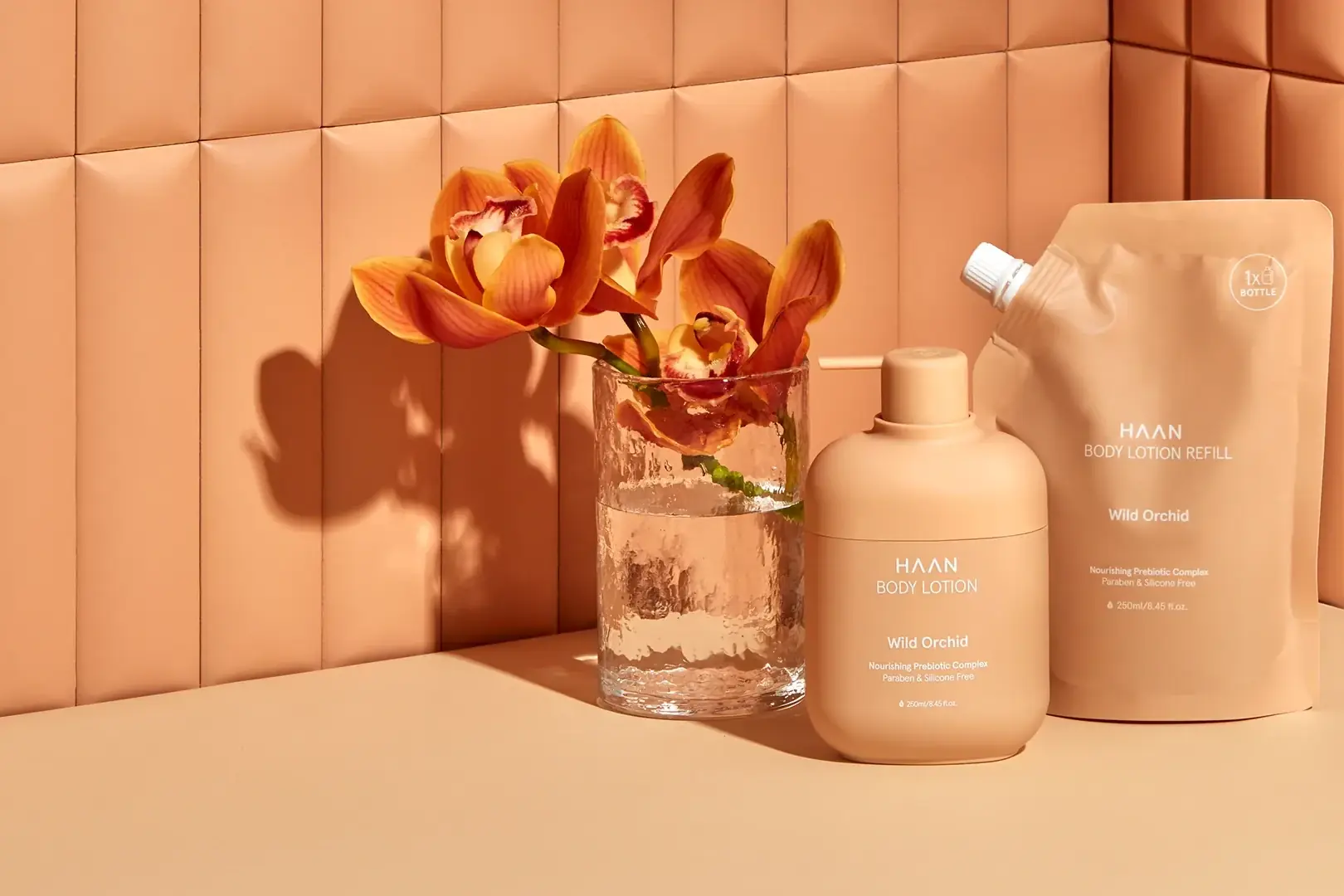
When a brand wants more sustainable packaging, the first conversation is often about materials. Recycled plastic, paper, a new label. Those choices matter, but they come second.
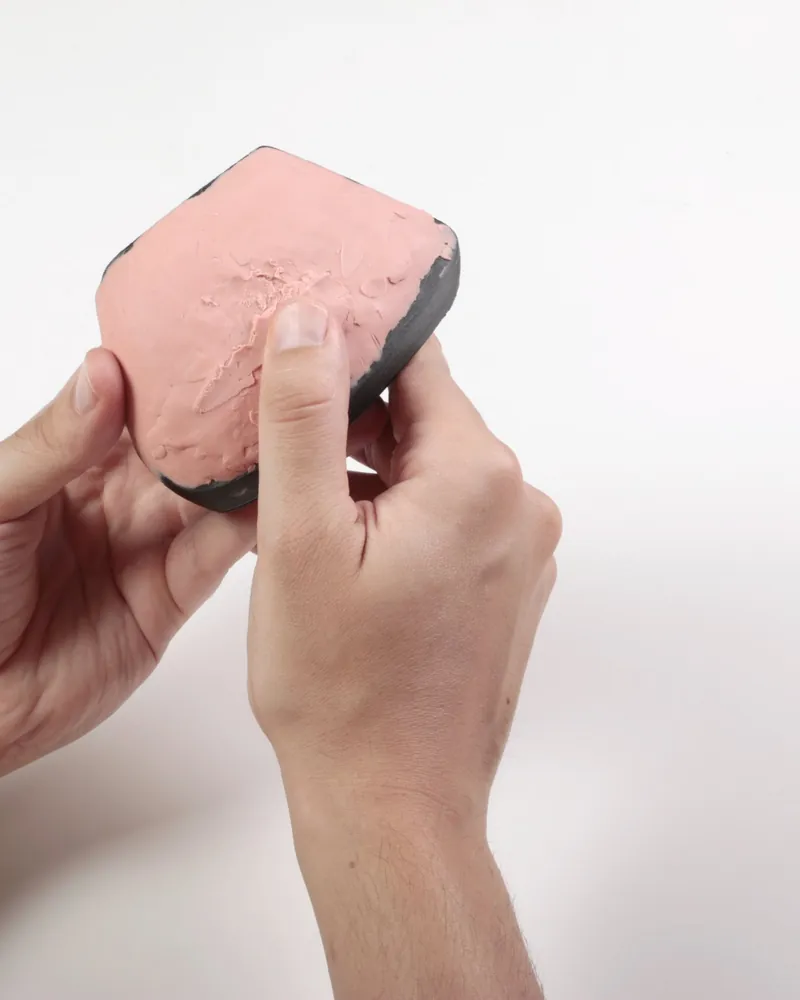
The pack is a product
A container is used every day. It is opened, squeezed, carried in a bag and, if it is refillable, filled again. If any of those moments is awkward, people go back to the disposable version. Sustainability fails at the bathroom shelf, not in the material spec.
Design the refill moment
A refillable format lives or dies in one gesture: how the refill goes in. That gesture decides the size of the opening, the stability of the container and how clean the whole thing stays.
What to analyse before drawing
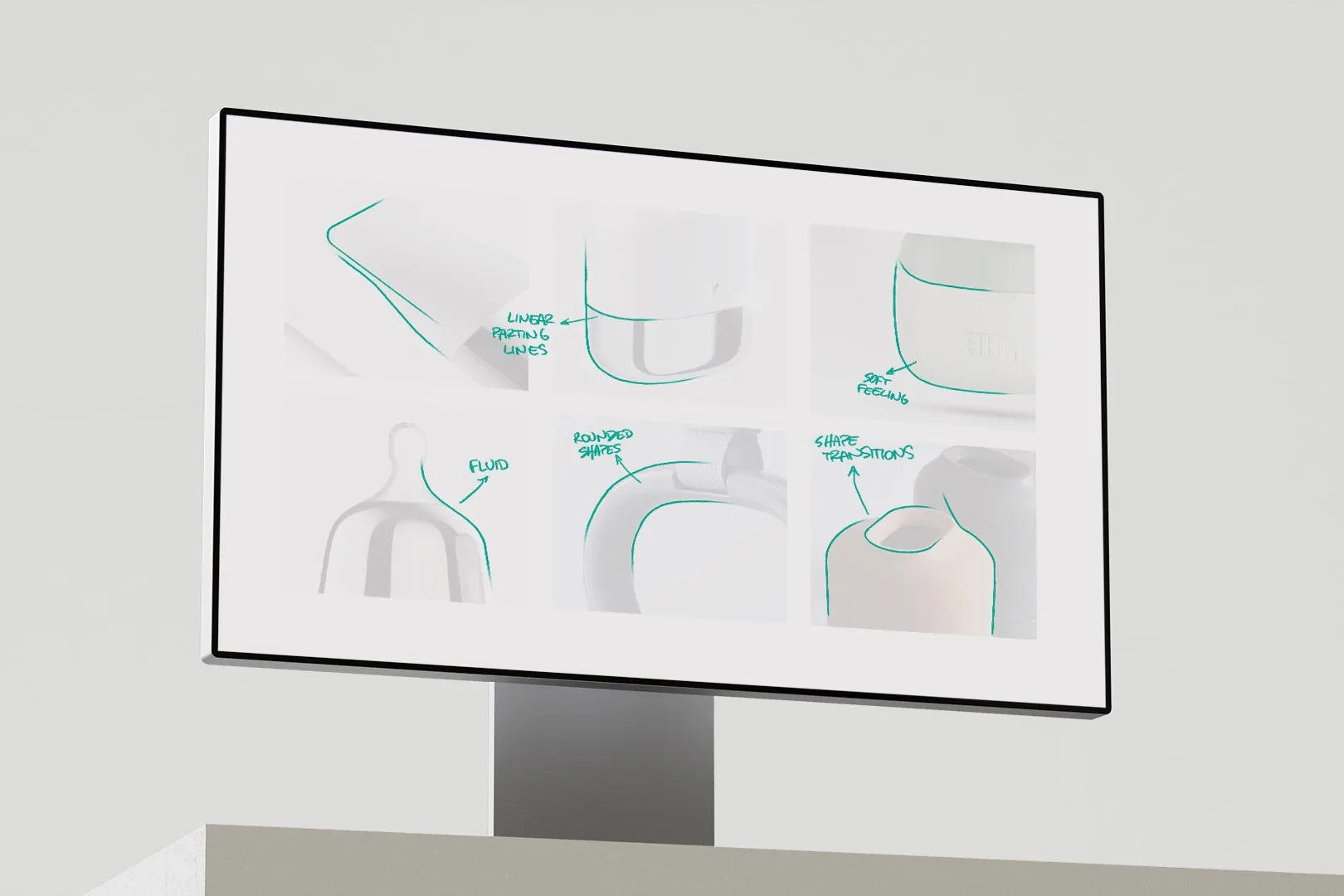
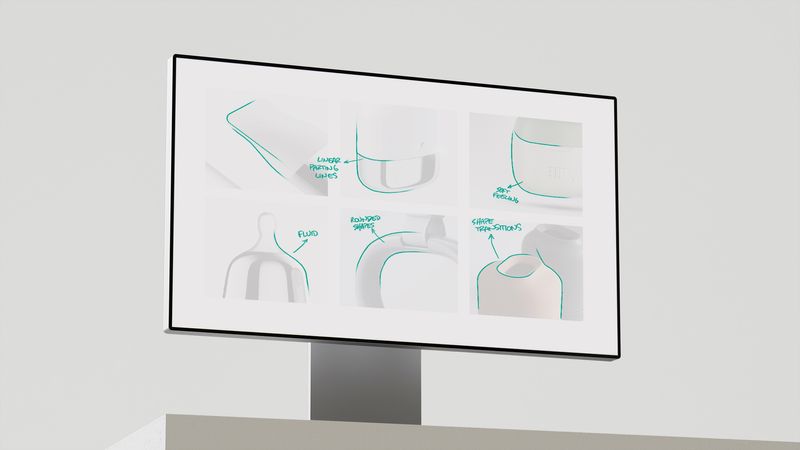
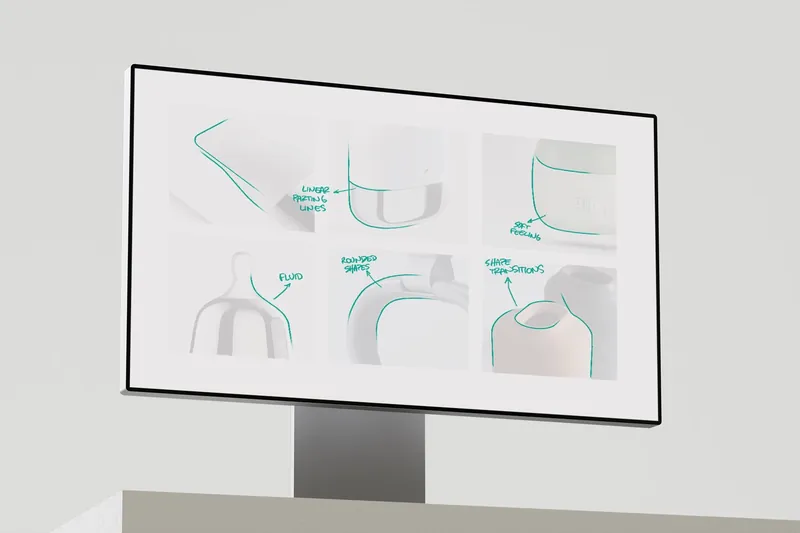
- Shape: does it keep something familiar from the traditional pack?
- Use: can it be refilled with one hand, without tools?
- Portability: does it travel well?
- Range: can the same language scale to other products?
If the refill is harder than buying a new one, the design is not finished.
Packaging that reduces waste is the result of treating the pack with the same care as the product inside it.