
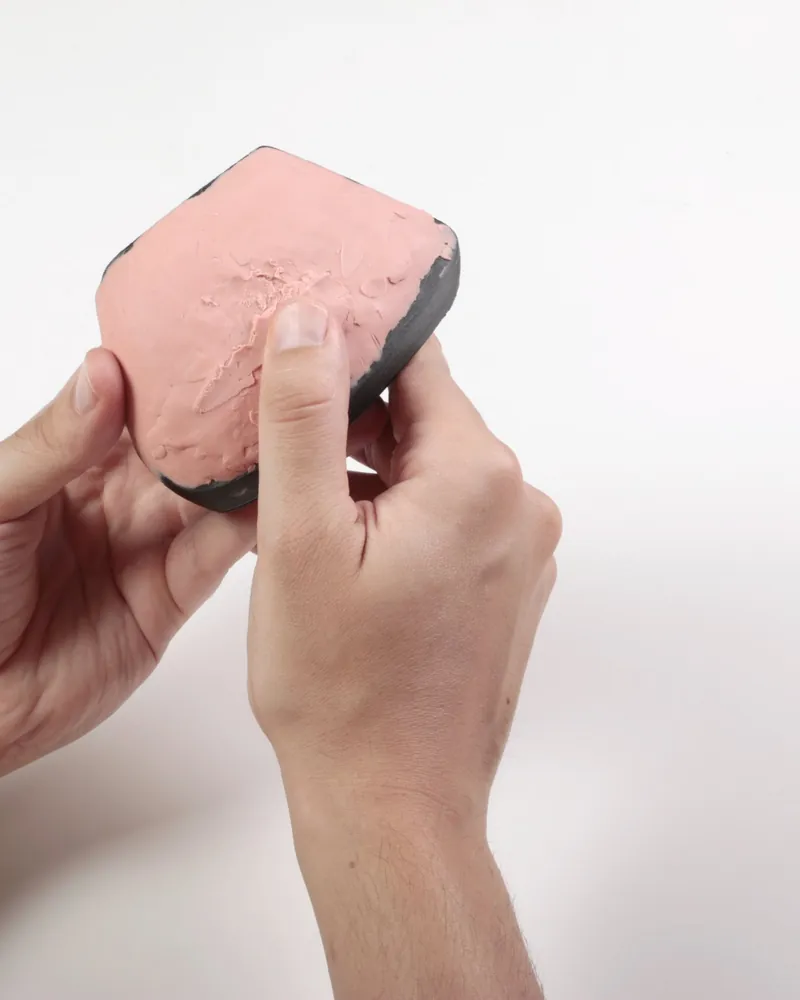
What makes consumer electronics feel human
Most devices are designed around their components. The ones people keep are designed around the person holding them.
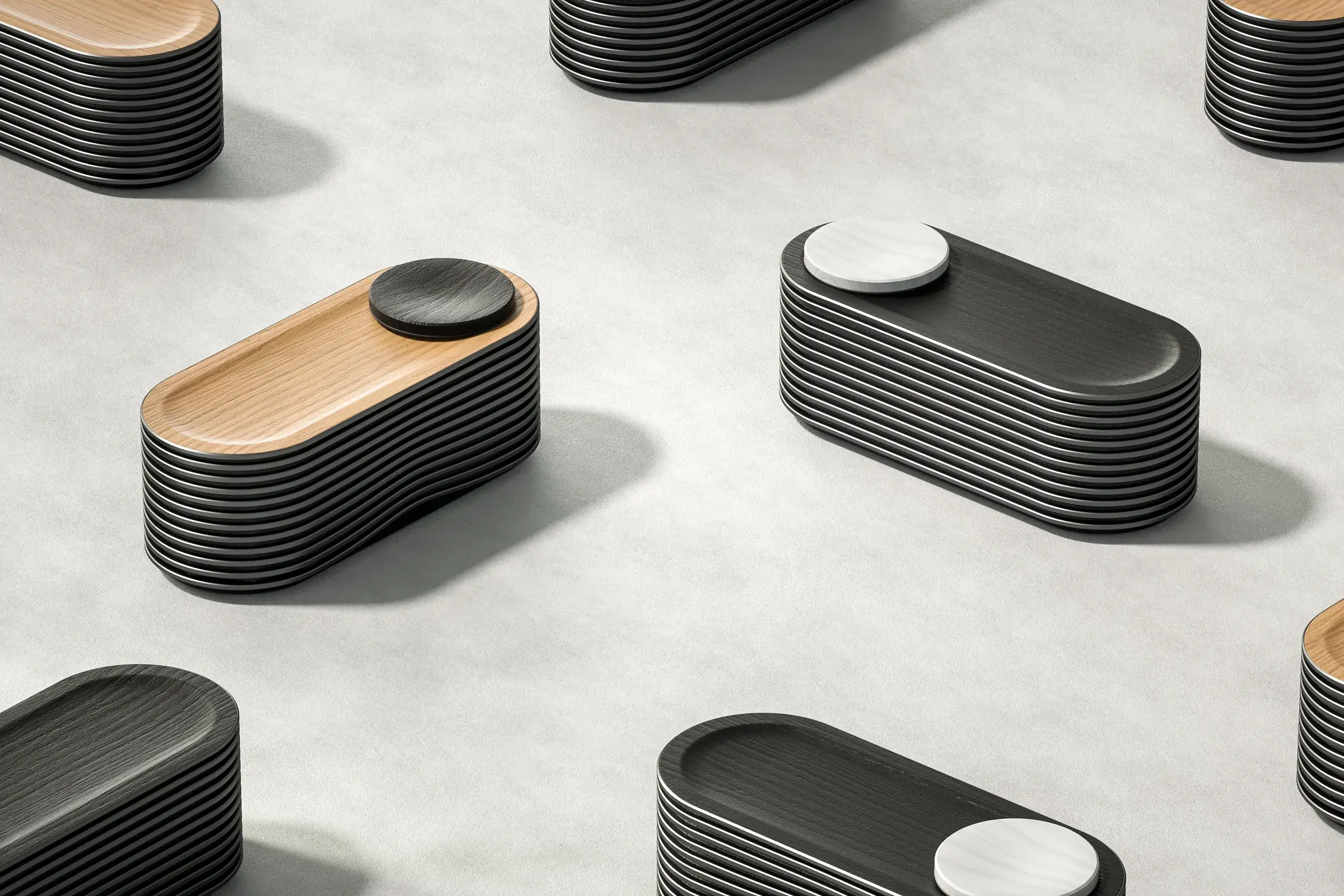
Open the box of almost any connected device and you will find the same thing: a hard rectangle, a glossy surface and a blinking light. It works. It rarely feels like it was made for someone.
Technology is the brief, not the answer
Components set the limits of a product: the size of a battery, the position of a sensor, the heat a board gives off. A common mistake is to let those limits draw the shape. The result is a product that explains its engineering and says nothing to its user.
The better question is what the person will do with it. Where does it live in the home? Is it picked up, stepped on, carried, left on a shelf? The answers shape the product more than any component.
Soften what people touch
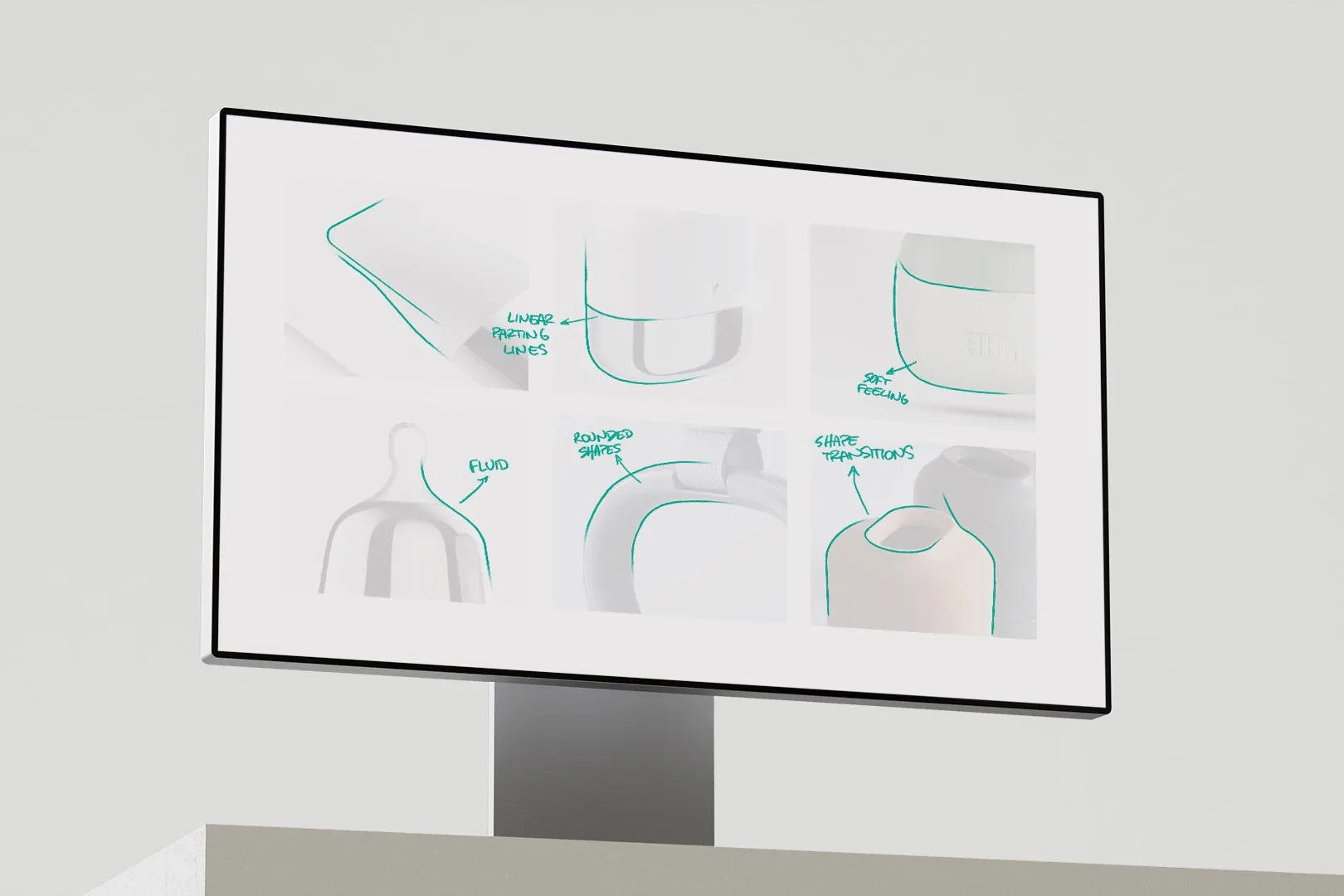
Edges, radii and surfaces are where a device meets the body. A softer edge on a bathroom scale, or a volume that fits either hand on a mouse, changes how approachable the product feels before it is even switched on.
Three questions worth asking early
- Which part of the product does the user touch most?
- What would this object look like if it had no screen?
- Does it belong in the room where it will be used?
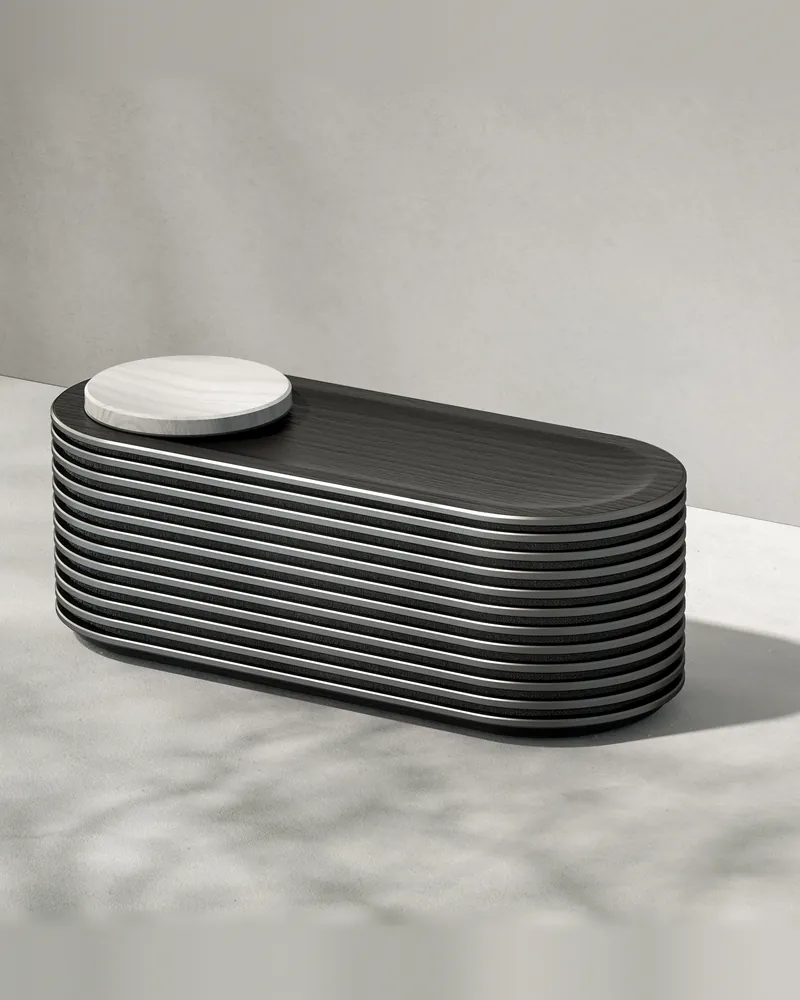
The bridge between technology and emotion is built with shape, material and finish.
Electronics that feel human are not less technical. They simply start from people and let the technology follow.